Let us introduce ourselves and tell you why we started Ennova
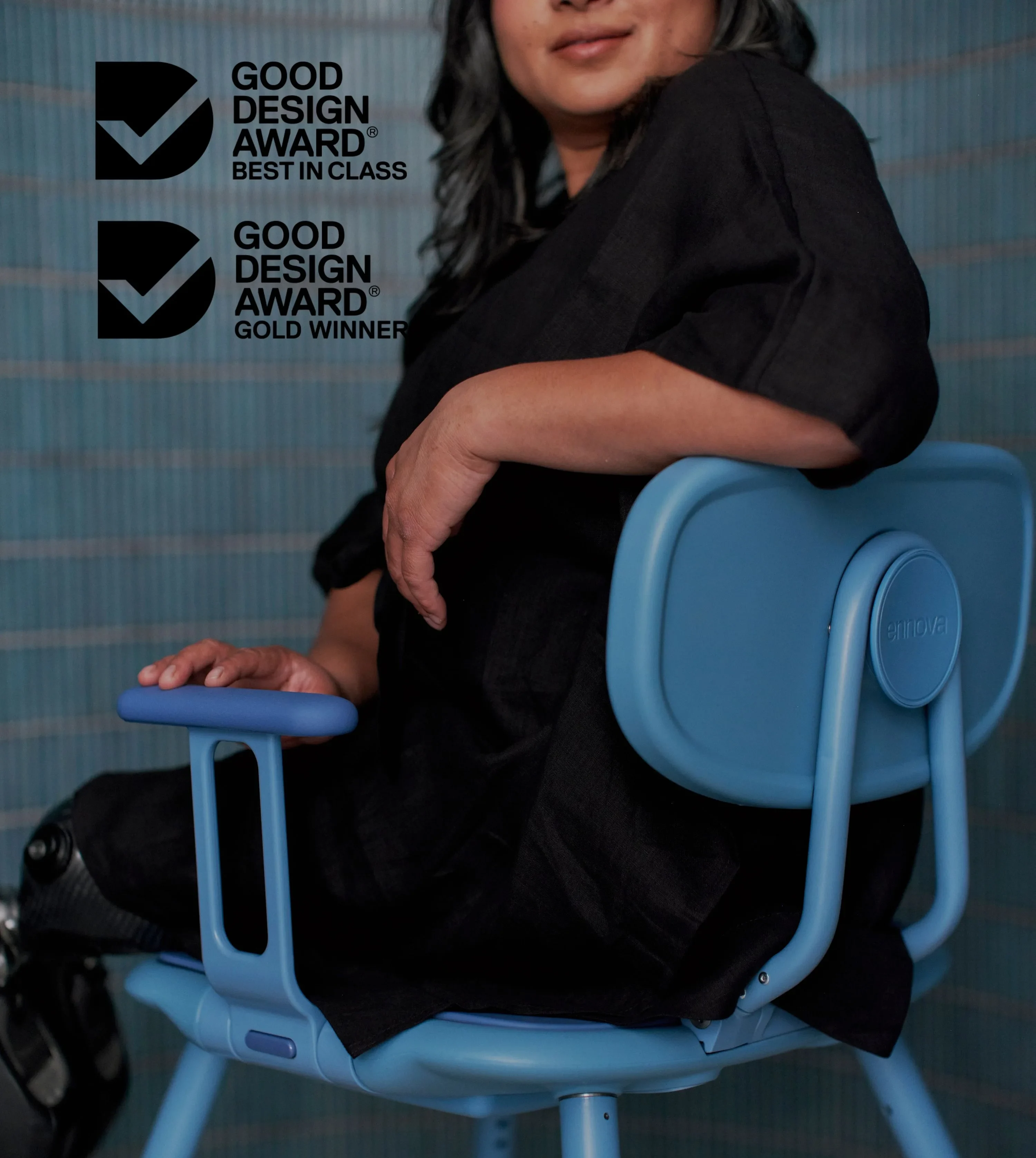
Ennova began with a belief that assistive technology could be better.

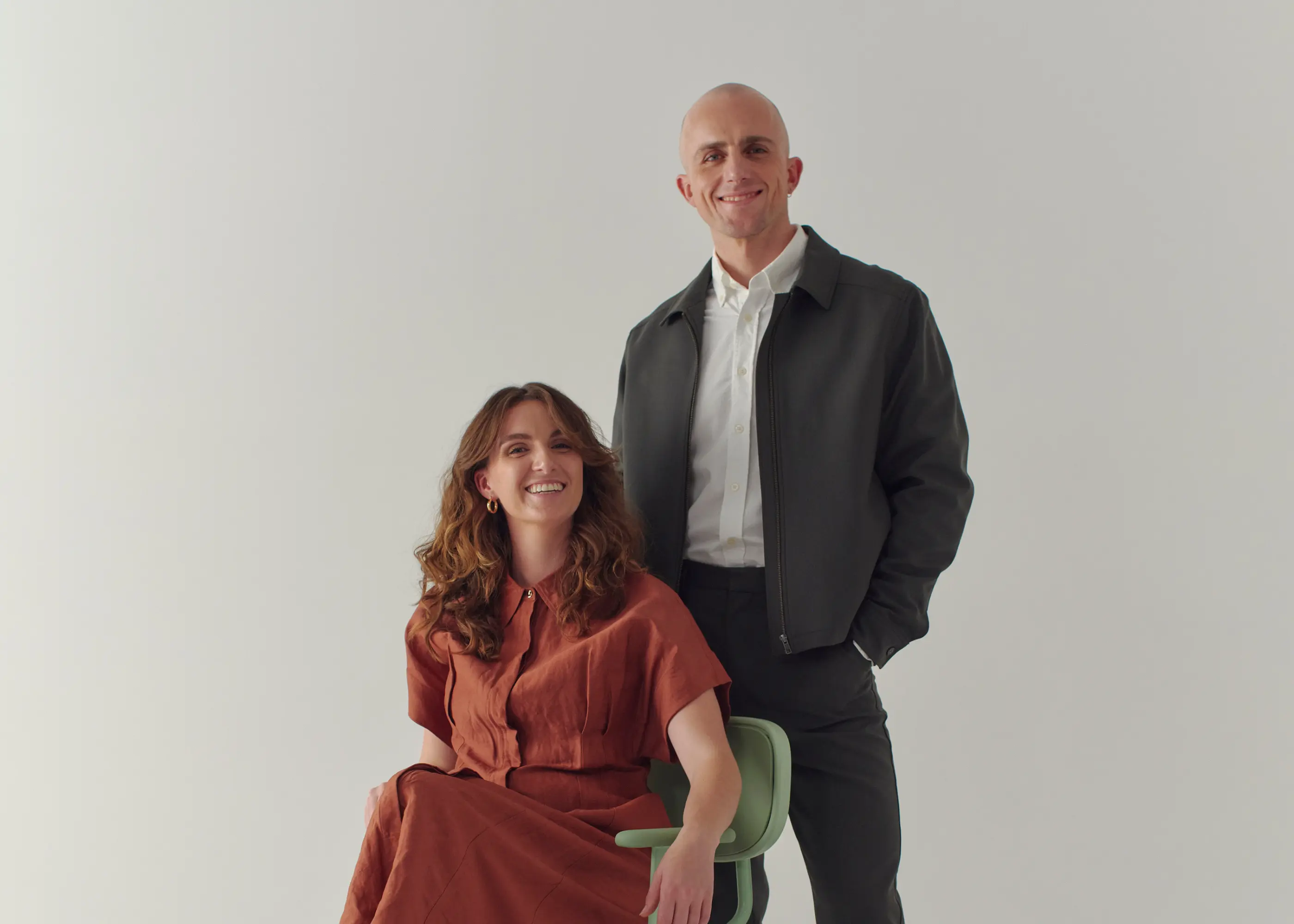
But that belief didn’t come from a business plan. It came from what we had both seen professionally and experienced personally. Before starting Ennova, Sam spent years working in disability support and as an occupational therapist, alongside people in their homes and communities. He saw how the right equipment could support someone’s safety, independence and ability to participate in everyday life.

But he also saw something that stayed with both of us. Assistive technology doesn’t exist in isolation. It enters people’s bathrooms, bedrooms and living spaces. It becomes part of their routines, their homes and, sometimes, the way they see themselves.

Then that became deeply personal for us. When Sam’s dad was diagnosed with stage 4 cancer, we helped care for him through the end of his life. As his mobility declined, there was equipment that could have made everyday activities easier and safer.

Sam knew that from his experience as an OT. But his dad refused it.

He felt incredibly strongly that he did not want his home to become medicalised. He didn’t want the place that represented family, familiarity and normal life to start looking and feeling like a hospital. For Sam, there was a very real tension between the occupational therapist who could see that his dad needed more support and the son who understood why he was refusing it.

And I understood it too. Because when you’re caring for someone you love, you start to realise that safety and function are incredibly important, but they are not the only things that matter.

Home matters.

Identity matters.

How someone feels about themselves and the things surrounding them matters.

Just six months later, we found ourselves providing end-of-life care again, this time for Sam’s mum. Her experience was different. She accepted the mobility and medical equipment she needed, and that equipment provided important support as her needs changed.

But this time, we experienced what Sam’s dad had been so determined to avoid. As more equipment entered the house, the home began to change. The place that had always been familiar, beautiful and personal increasingly became a medical place of care. The equipment was necessary and valuable, but the feeling of home changed with it.

Those experiences have never left us.

We came to Ennova from two very different perspectives

Sam brought years of experience working in disability and occupational therapy. He understood function, clinical reasoning and the importance of finding equipment that genuinely works for the person using it.

I came from an architectural and community project background. I have always believed that the objects we surround ourselves with affect how we experience a space and how we feel within it. Form, colour, material and beauty are not frivolous considerations simply because a product has a functional purpose.

If anything, I began to question why we seemed so willing to abandon those considerations when designing products for people with disability, mobility needs or changing support needs.

Between our two perspectives, and with our lived experience, Ennova began to take shape.

We started asking a simple question:

Why should someone have to choose between assistive technology that meets their functional needs and a product they actually want to live with?

We didn’t believe they should. That became fundamental to the way we design at Ennova. Sam brings the occupational therapy perspective and clinical reasoning. I bring the design lens and an insistence that assistive products deserve the same consideration of form, colour, material and experience as anything else we bring into our homes.

Neither perspective comes first.

The clinical and the beautiful have to work together.

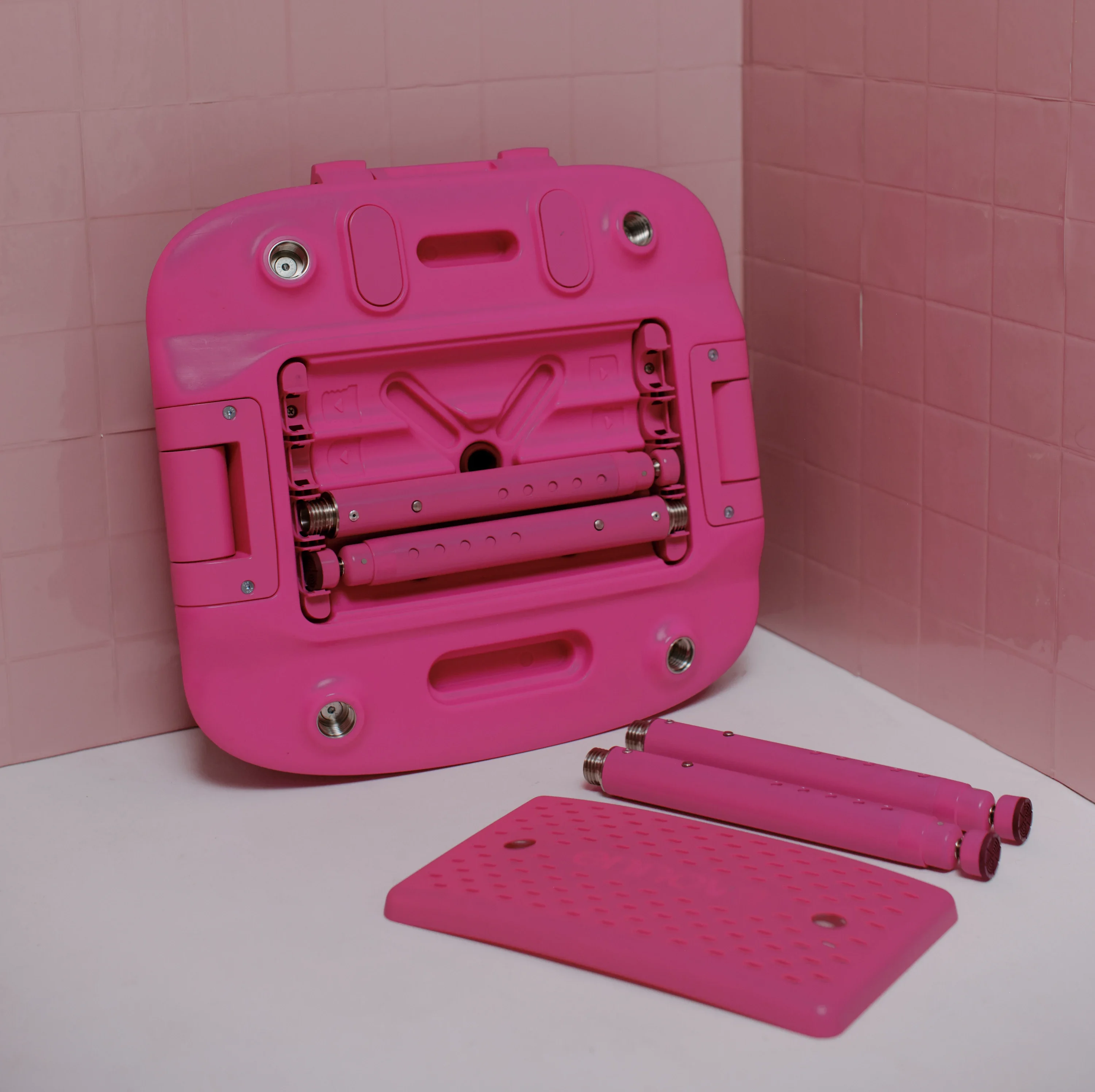
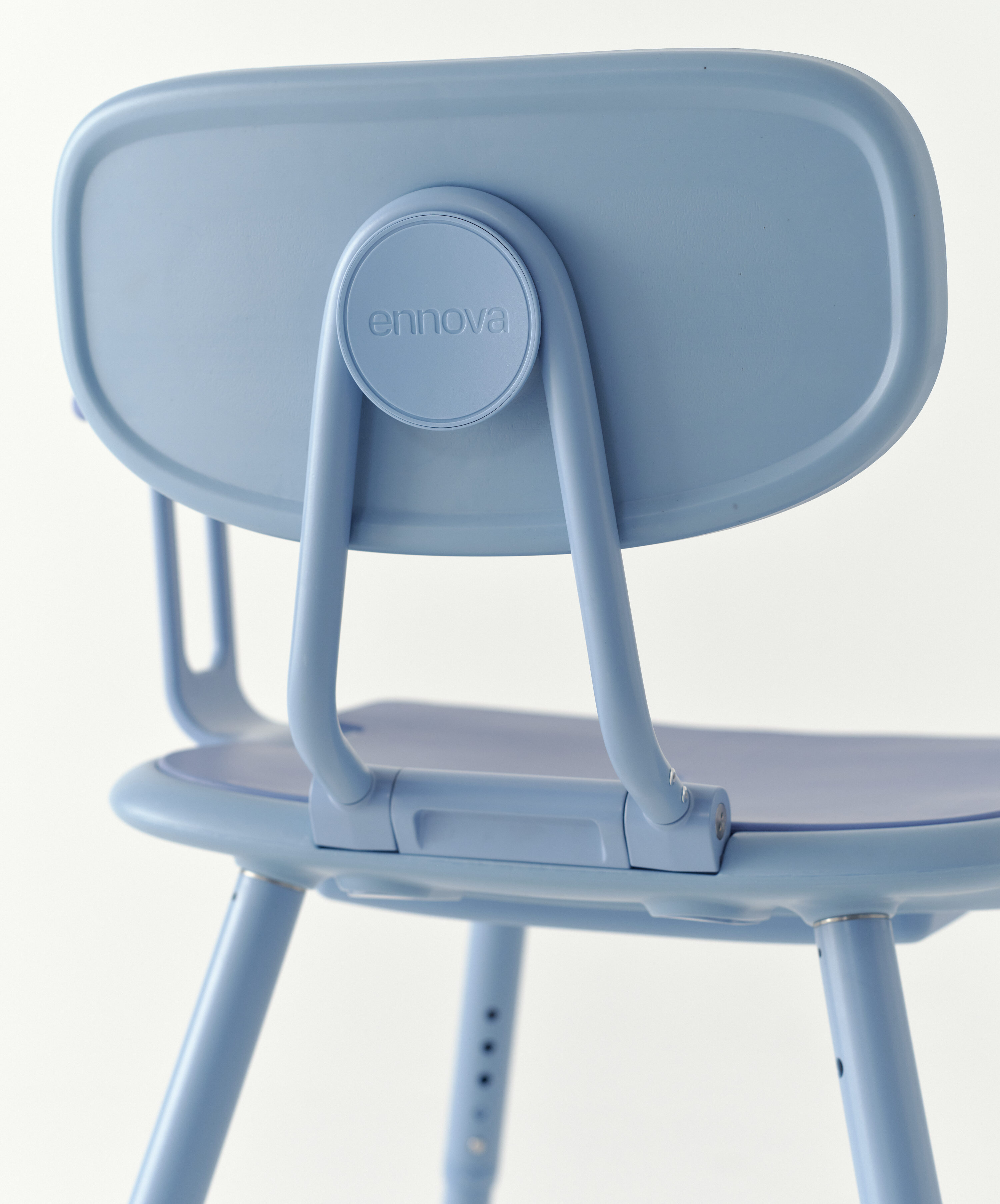
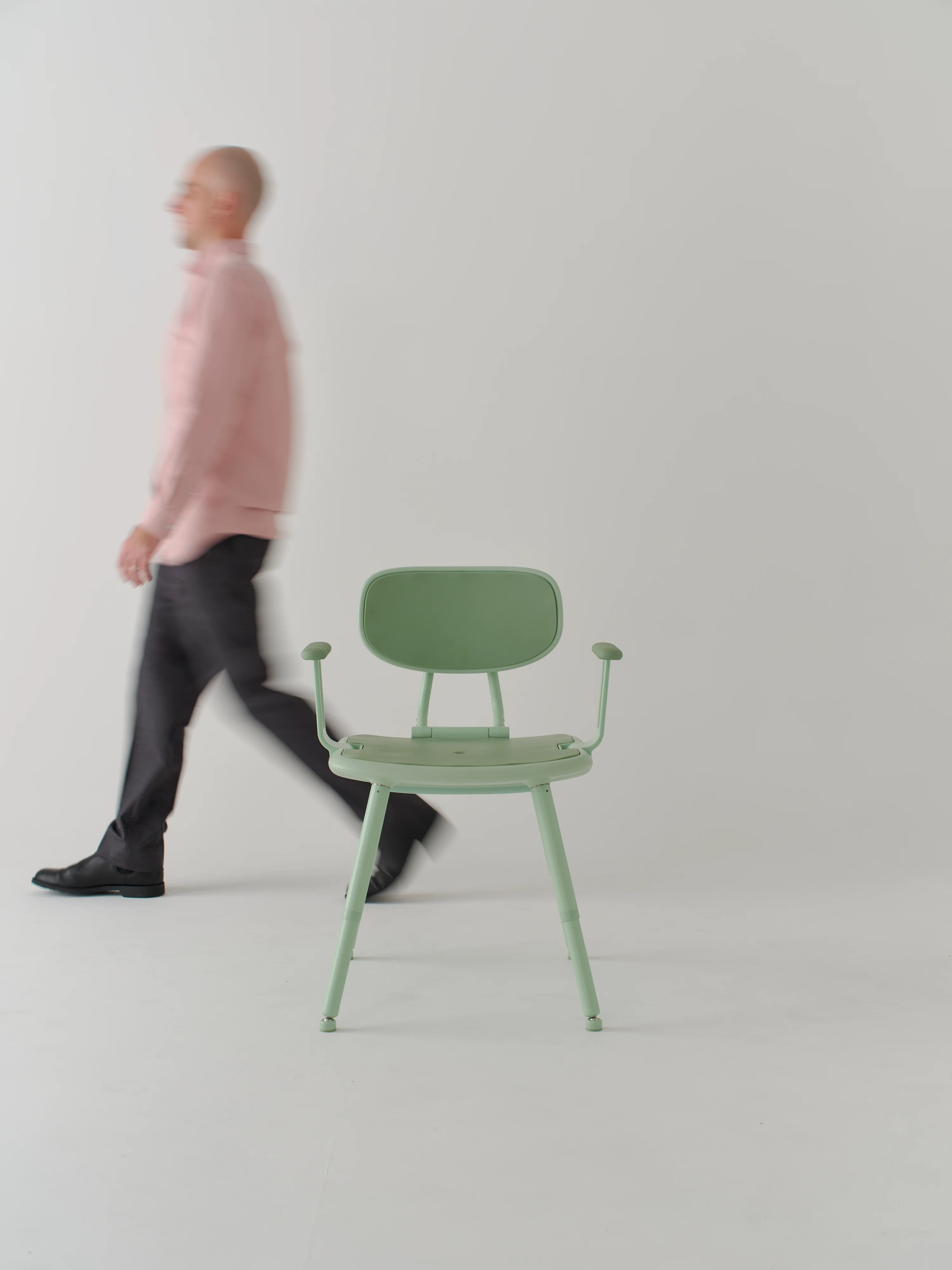
And now that people are buying the Oasis Chair, one of the most meaningful things for us has been hearing that same belief reflected back to us.

In our initial purchaser survey, 75% of respondents told us design and clinical function were equally important to their decision. They would not have chosen the Oasis Chair without both.

That means a great deal to us because it validates something we have believed from the beginning.

Ennova isn’t about making clinical equipment prettier.

It’s about designing assistive technology around the whole person. What they need from a product, how they use it, how they live, what they value and how they want their home to feel.

That’s why we started Ennova.

And it’s what we’ll keep pushing for with every product we create.


With kindness,

Eilish

Co-founder of Ennova


Stay in the loop

Have a head start setting up your home’s supportive side.  Sign up for updates and early access to the Oasis shower chair.

Sign Up

"*" indicates required fields