
Can I purchase the Oasis Chair with my NDIS funding?
A simple guide to low-cost assistive technology, clinical justification and choosing the right shower chair for your needs.
If you’re an NDIS participant considering the Oasis Chair, you might be wondering whether you can use your NDIS funding to purchase it, particularly when there are lower-cost shower chairs available.
It’s a question we’ve been hearing from our community, and it’s an important one. To date, we’re not aware of any self-managed NDIS participant who has purchased the Oasis Chair and subsequently had their claim for reimbursement declined. That said, every participant’s circumstances and plan are different, so we can’t guarantee that an individual purchase will be reimbursed.
What we can do is help make the NDIS guidance clearer and explain the clinical reasoning that may support choosing the Oasis Chair over a lower-cost shower chair.
The short answer is that the Oasis Chair is priced within the NDIS low-cost assistive technology threshold. However, as with any NDIS support, whether it is appropriate to purchase using your funding depends on your individual circumstances, your plan and your disability-related needs.
So, let’s break it down.
1. The Oasis Chair is under the NDIS low-cost AT threshold
The NDIS currently defines low-cost assistive technology as items costing less than $1,500.
For low-cost, low-risk assistive technology, participants generally do not need to provide a quote, assessment or supporting evidence to the NDIA before purchasing, provided they have appropriate funding available. The item still needs to meet the relevant NDIS funding requirements and be appropriate for the participant’s disability-related needs.
If you are self-managed, you can generally pay for eligible assistive technology upfront and then submit a claim for reimbursement.
Higher-risk assistive technology may require professional advice to make sure it is safe and appropriate for you.
So while the price threshold is relatively straightforward, there’s another important question to consider.
2. Would a lower-cost chair achieve the same outcome?
The NDIS considers value for money. Where a more expensive option achieves the same outcome as a lower-cost option, the most cost-effective option will generally be considered.
The important words here are same outcome.
Two products can both be called shower chairs without necessarily achieving the same outcome for the person using them.
A better way to think about it is:
What outcomes does the Oasis Chair help me achieve, and would a lower-cost alternative genuinely meet those same needs?
This is where your individual needs, routines, environment and the specific features of the Oasis Chair become important.
Consider someone with fluctuating fatigue
For someone experiencing chronic fatigue or fluctuating capacity, shower seating might only be needed on more difficult days. They may also regularly stay away from home.
A lower-cost fixed shower chair might provide seated support, but it may be difficult to store when it isn’t needed or impractical to take between locations.
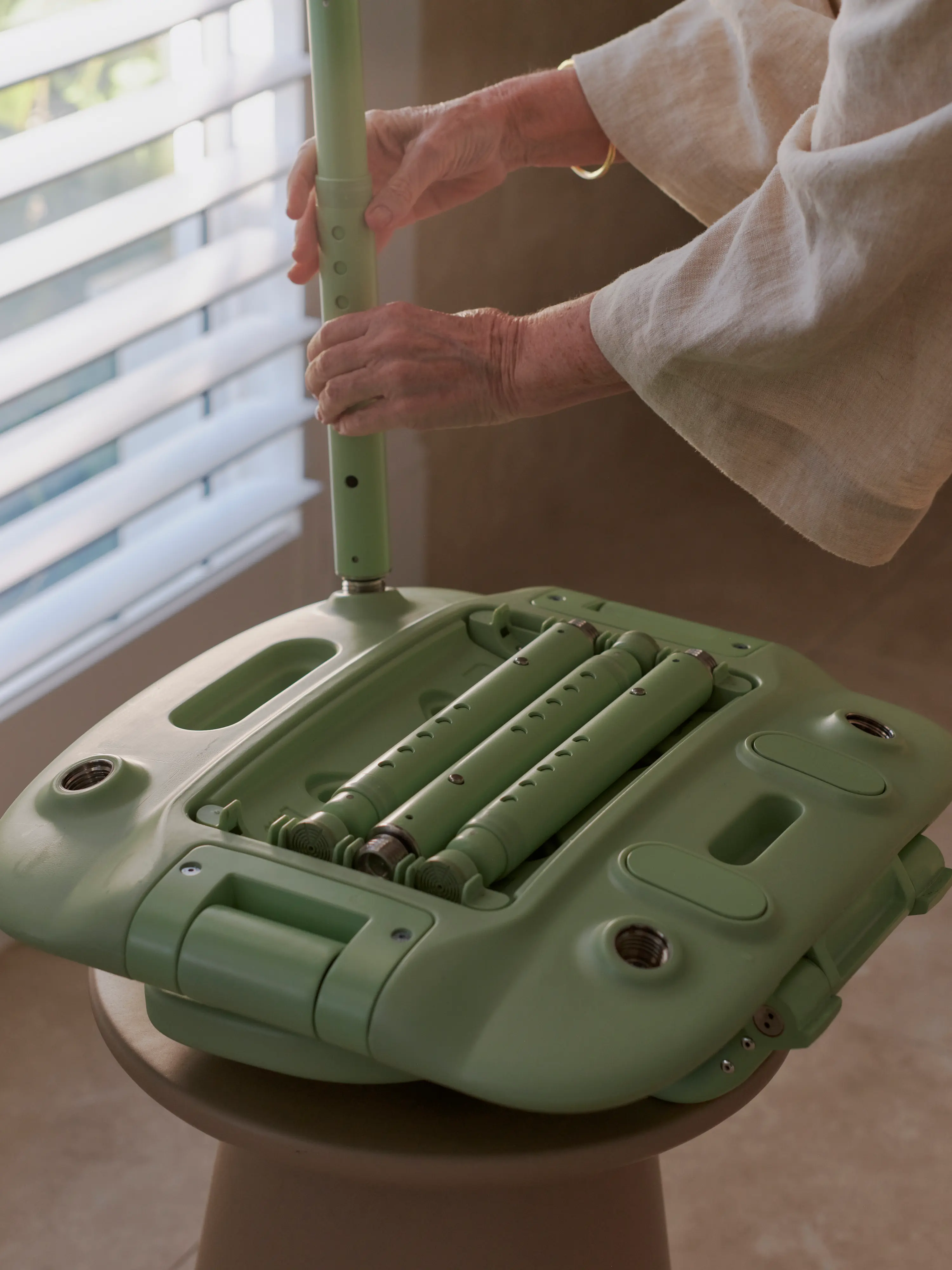
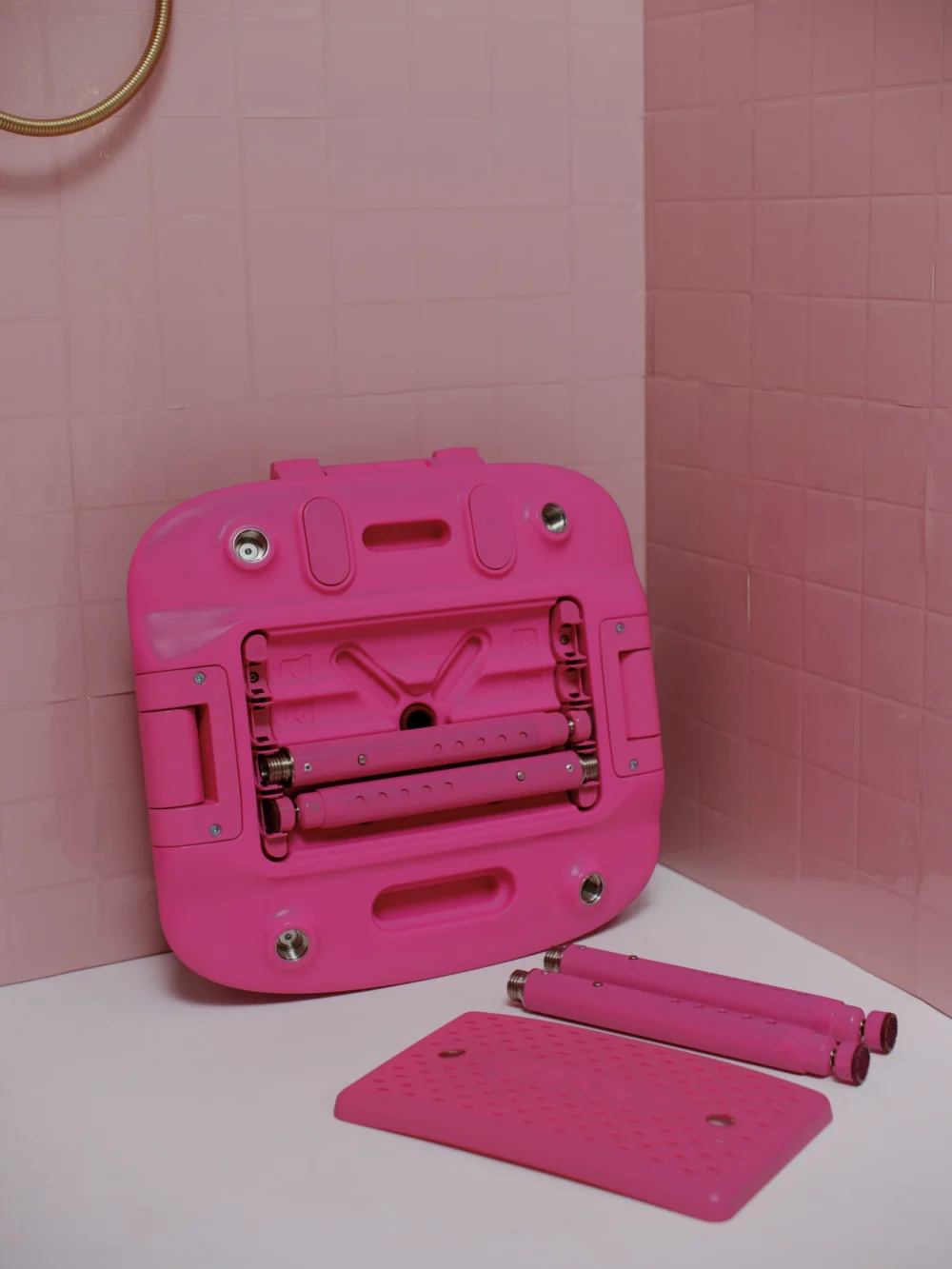
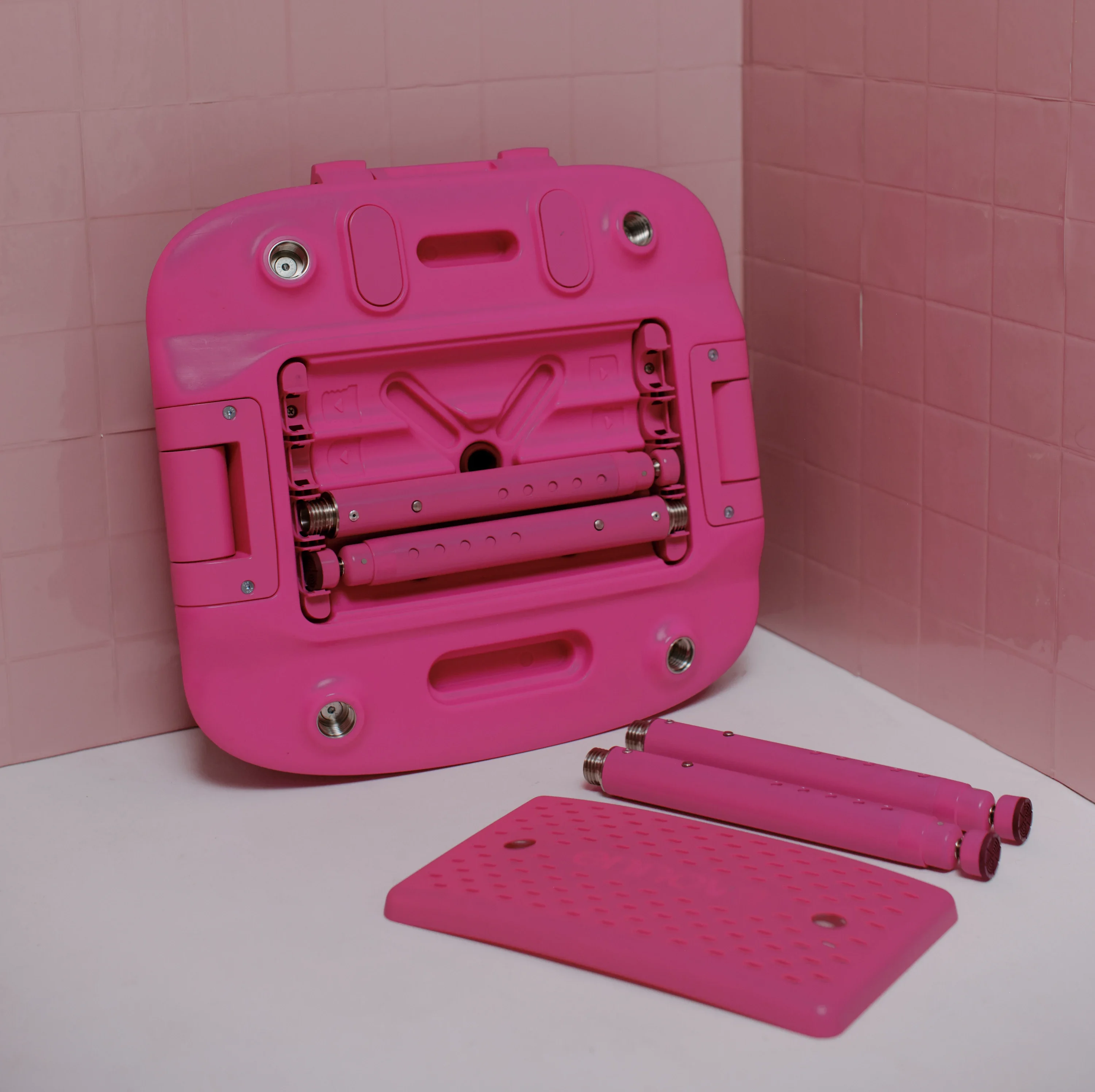
The Oasis Chair packs down for transport and compact storage. For this person, the outcome they need may not simply be:
“I need somewhere to sit in the shower.”
It may be:
“I need access to appropriate shower seating when my functional capacity changes, including across the different places where I regularly stay.”
In this situation, portability isn’t simply an added feature or convenience. It may be relevant to achieving the person’s required outcome.
Consider someone who requires lateral transfer access. . .
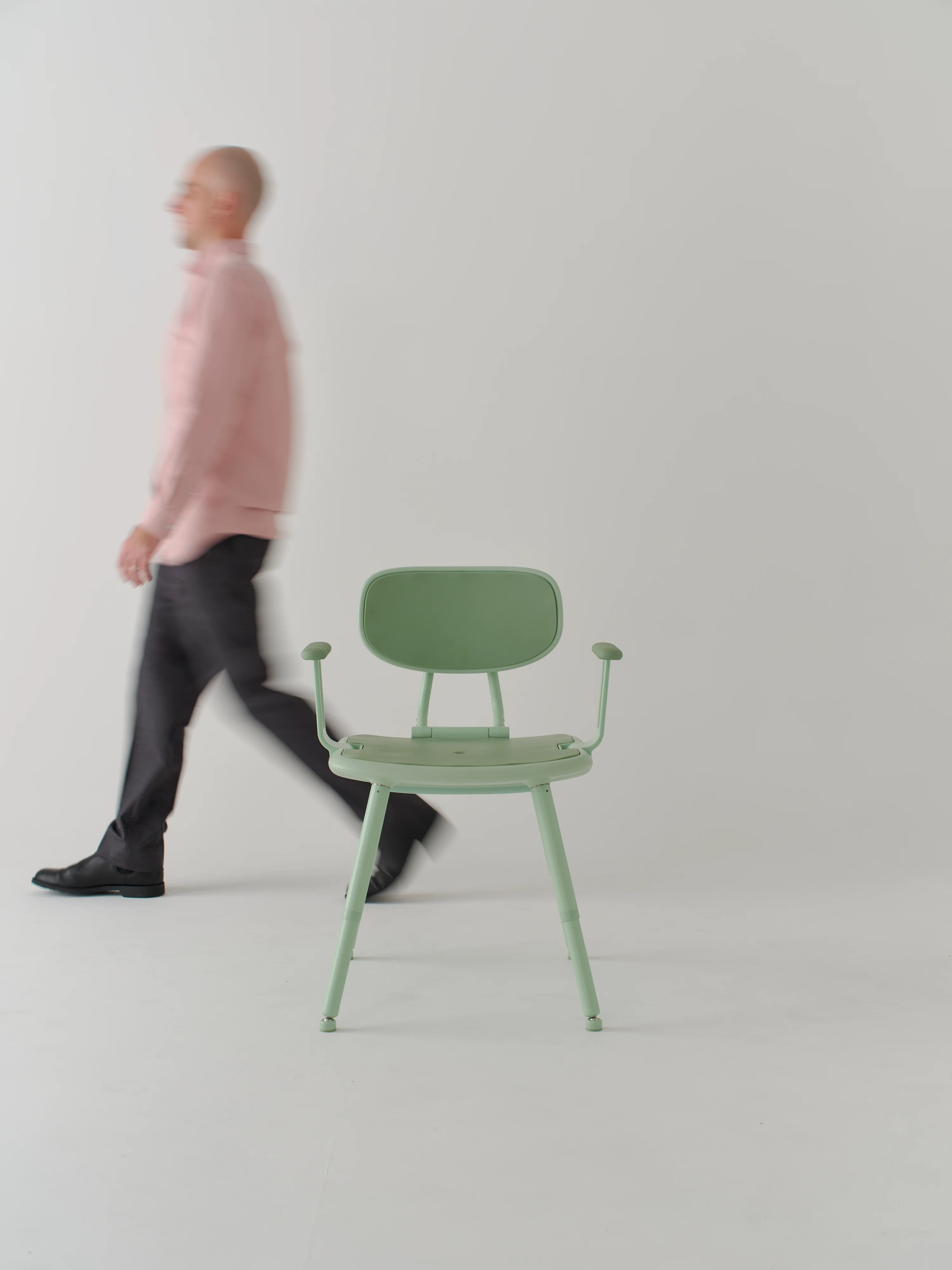
Consider a wheelchair user who transfers laterally onto their shower chair. A lower-cost chair with fixed armrests might provide seated showering, but the armrest could obstruct the side access required for their transfer.
A chair without armrests might provide that access, but not the upper-limb and balance support they benefit from once seated.
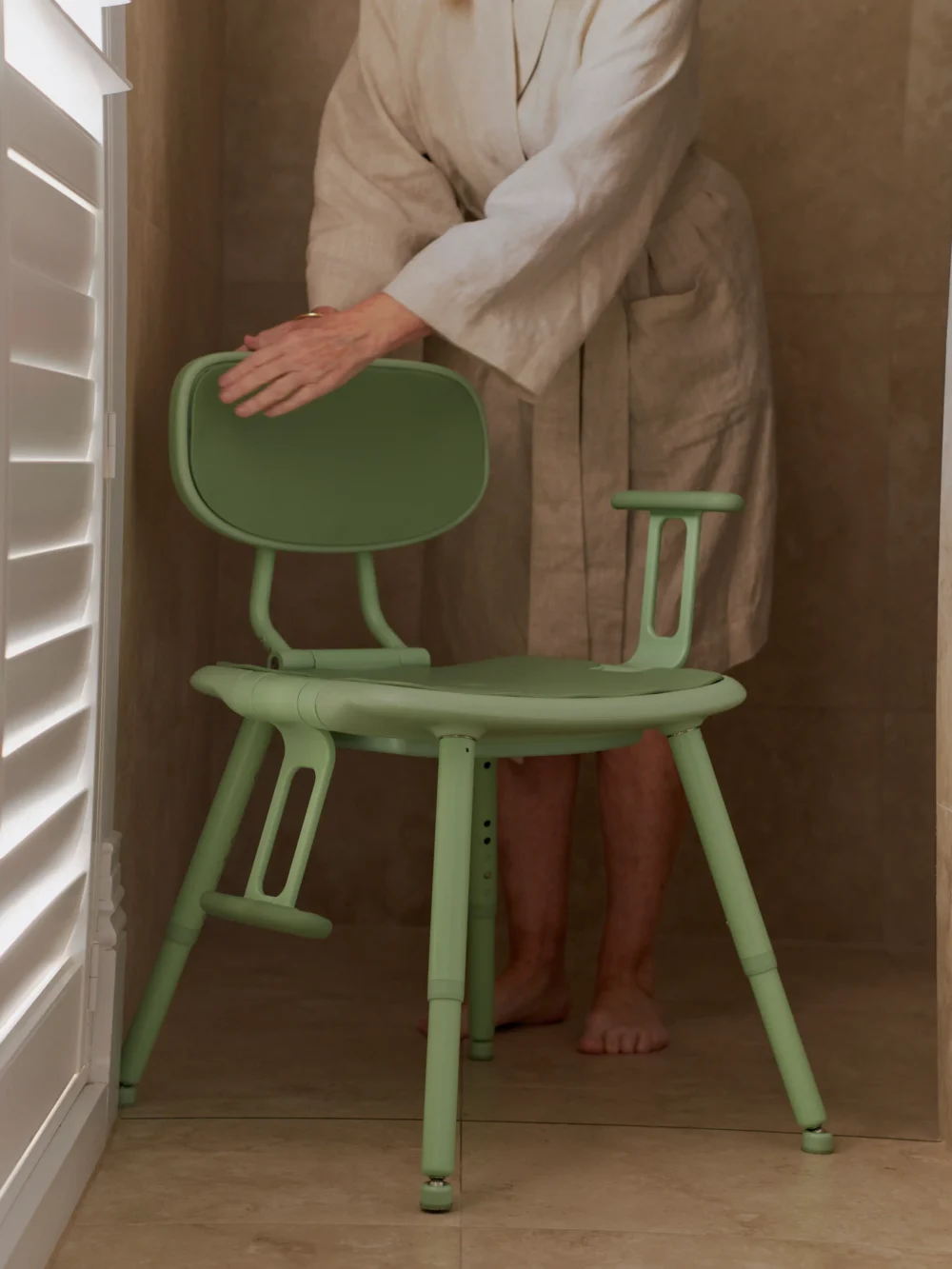
The Oasis Chair’s bi-directional armrests can be repositioned to provide lateral access and then returned to the upright support position once the person is seated. To our knowledge, there is currently no other shower chair on the market that offers this same bi-directional armrest functionality.
Again, the question isn’t simply:
“Do both products provide somewhere to sit?”
It’s:
“Do both products achieve the same outcome by providing the lateral access required for the person’s transfer while also providing appropriate support once seated?”
If they don’t, they may not be achieving the same functional outcome.
Other Oasis Chair features may also be relevant. . .
Everyone’s circumstances are different.
For one person, the relevant feature might be the Oasis Chair’s articulating feet, which adjust to uneven or sloped shower floors to help all four feet maintain contact with the ground. To our knowledge, no other shower chair on the market currently offers this same articulating-foot functionality.
For someone else, repositioning an armrest might provide better access for personal washing or assistance from a support person.
And for another person, being able to pack the chair down might allow it to fit into a shower recess where getting a conventional fixed-frame chair through the opening is difficult.
The important thing isn’t how many features the Oasis Chair has.
It’s whether a particular feature addresses an identified need that another chair does not adequately meet.
What about how a shower chair looks?
We think this deserves to be part of the conversation too.
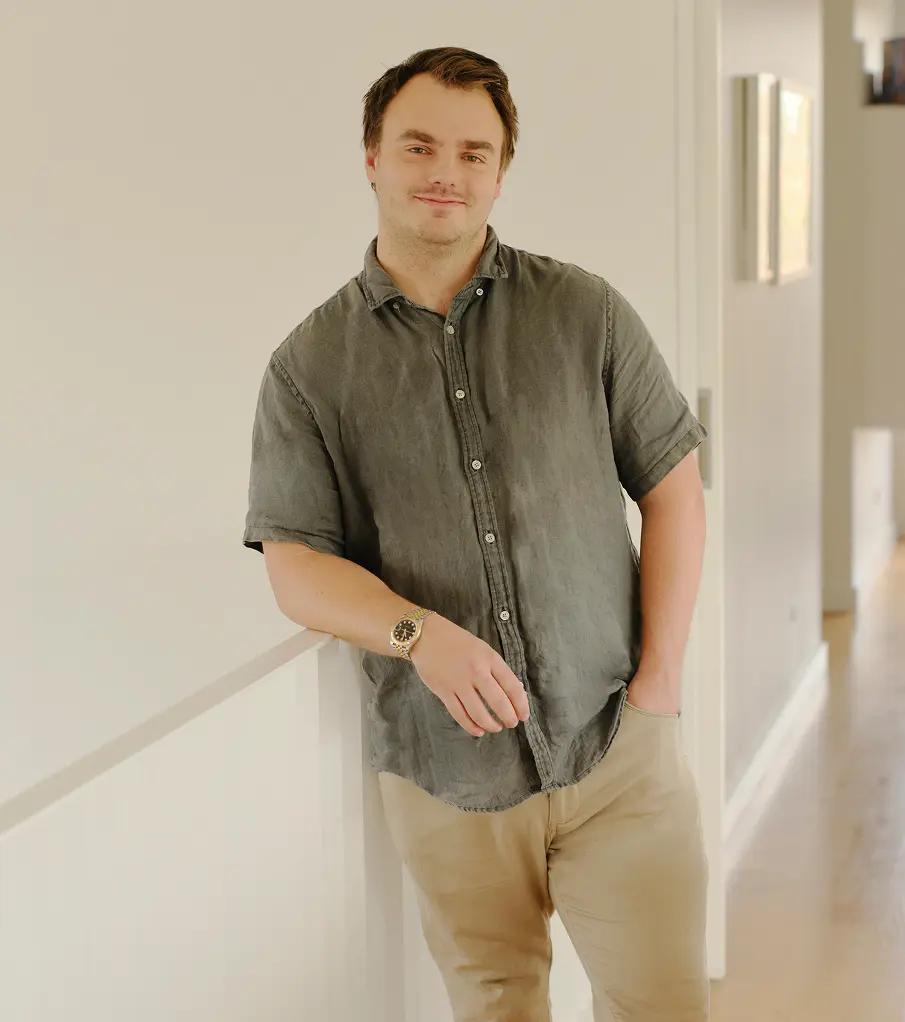
Person-equipment fit has been an important part of Ennova from the beginning and reflects our co-founder Samuel Harding’s experience as an Occupational Therapist working across the NDIS and Aged Care sectors.
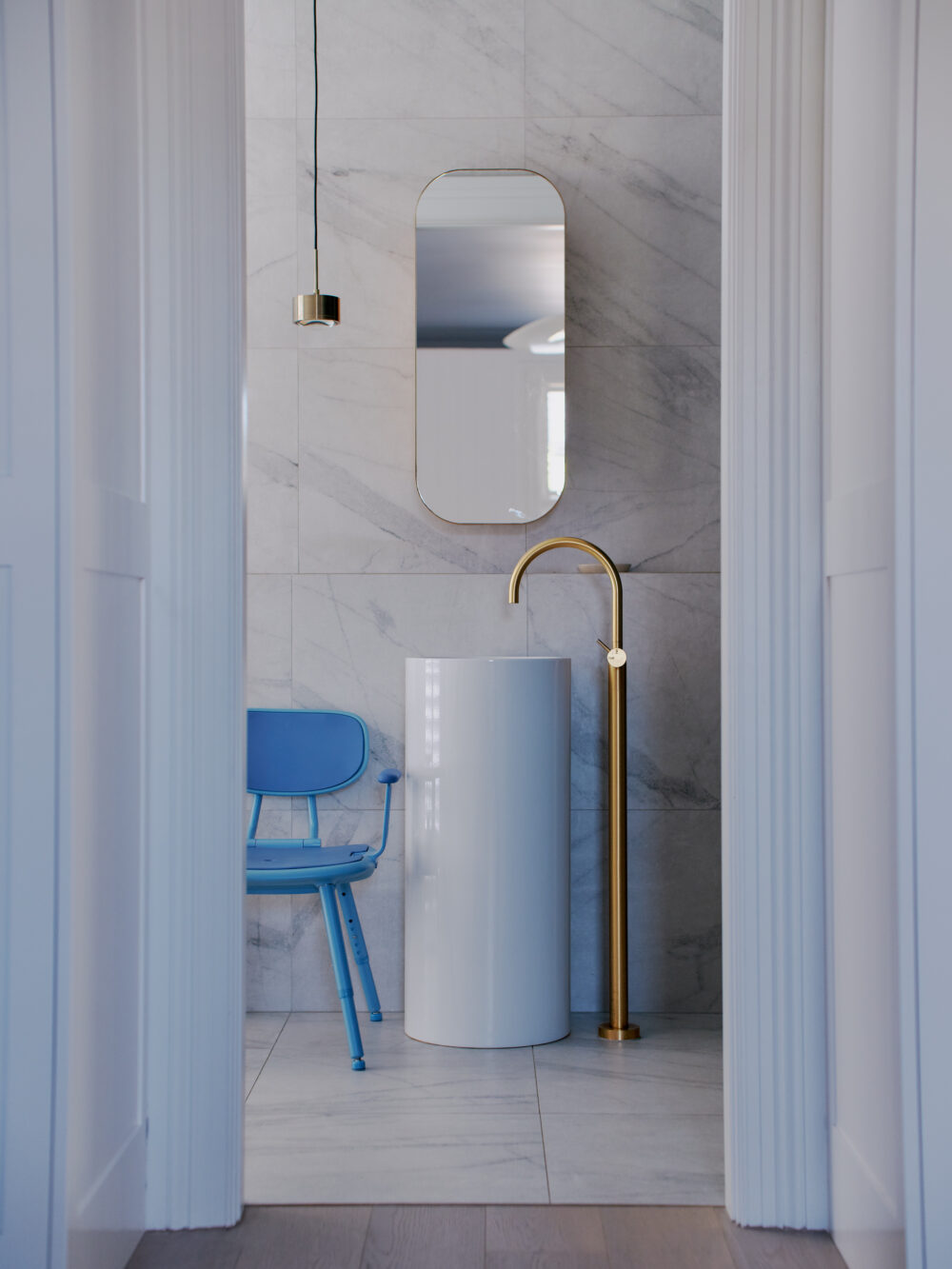
Over the years, Sam saw participants refuse recommended equipment because they did not want institutional-looking products in their homes. In some cases, people preferred to go without the equipment altogether, even when doing so meant choosing a less safe option.
This isn’t to say that appearance alone makes one shower chair clinically appropriate and another inappropriate.
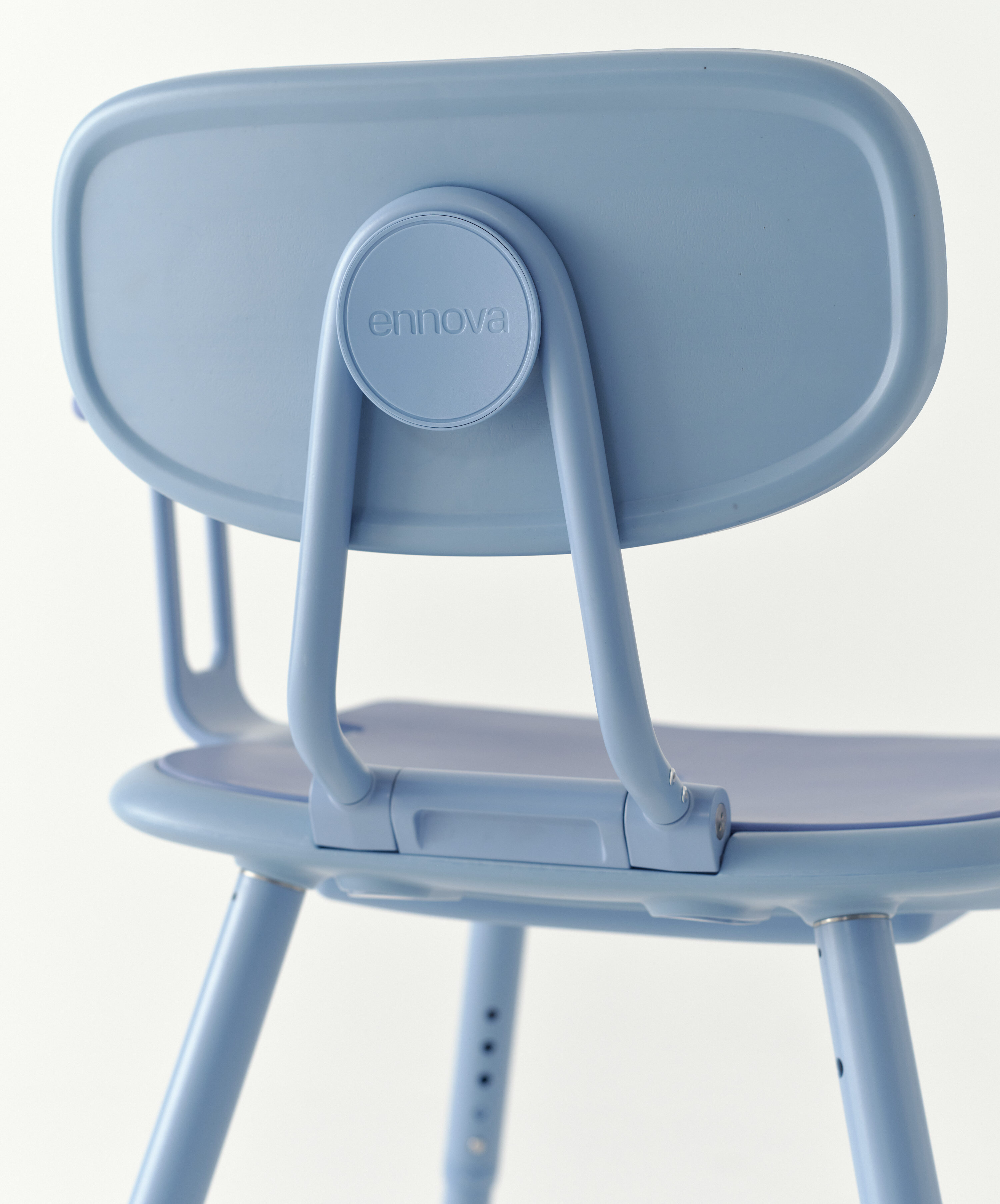
But if the appearance, stigma or medicalised feel of equipment is an identified barrier to someone actually using it, then person-equipment fit may become relevant.
Put simply, a shower chair can’t provide its intended support if someone won’t use it.
Where a person is more likely to consistently use equipment that meets both their functional requirements and their identified person-equipment fit needs, that may form part of the overall reasoning behind equipment selection.
Our Clinical Justification Support Form includes person-equipment fit for this reason, including whether the appearance of assistive equipment affects someone’s comfort using it and whether overly clinical or medicalised equipment creates an identified barrier to acceptance and consistent use.
We aren’t here to tell you what your clinical needs are. But we can help you document them.
We’ve created a Clinical Justification Support Form. We understand that even when formal clinical justification isn’t required, you may still want to feel confident about why you’ve chosen the Oasis Chair and keep a clear record of your reasoning.
That’s why we’ve developed an optional Oasis Chair Clinical Justification Support Form.
The Oasis Chair Optional Clinical Justification Form
It provides a simple way to document:
- Why you need shower seating.
- What you need the right shower chair to help you achieve.
- Which Oasis Chair features are relevant to your functional needs, routines or environment.
- Whether you have considered another shower chair and why it may not meet the same need.
- The functional outcome you expect the Oasis Chair to provide.
You can complete the form yourself or with your Occupational Therapist or another healthcare professional.
Still unsure? We’re here to help.
NDIS funding can feel complicated, particularly when you’re trying to make the right decision for yourself rather than simply choosing the cheapest product available.
Our advice is to bring the decision back to your individual needs:
What outcomes does the Oasis Chair help me achieve, and would a lower-cost alternative genuinely meet those same needs? Which Oasis Chair features are relevant to those outcomes? What need does the Oasis Chair address that the alternative does not adequately meet?
That’s the thinking our Clinical Justification Support Form is designed to help you document.
And if you’re still unsure, you can contact Ennova and speak with Samuel Harding, Occupational Therapist and Director of Ennova, to discuss the clinical features of the Oasis Chair and how they may relate to your needs.
Important information
This article and the Oasis Chair Clinical Justification Support Form provide general information only. They do not guarantee that the NDIS will fund or reimburse the Oasis Chair.
NDIS funding requirements depend on your individual circumstances, plan, available funding and whether the equipment meets the applicable NDIS requirements. If you’re unsure about your funding, speak with your NDIS contact, plan manager, support coordinator or an appropriately qualified health professional.
Ready to work through your needs?
The Oasis Chair – Clinical Justification Form for Participants
Stay in the loop
Have a head start setting up your home’s supportive side. Sign up for updates and early access to the Oasis shower chair.
Sign Up
"*" indicates required fields