
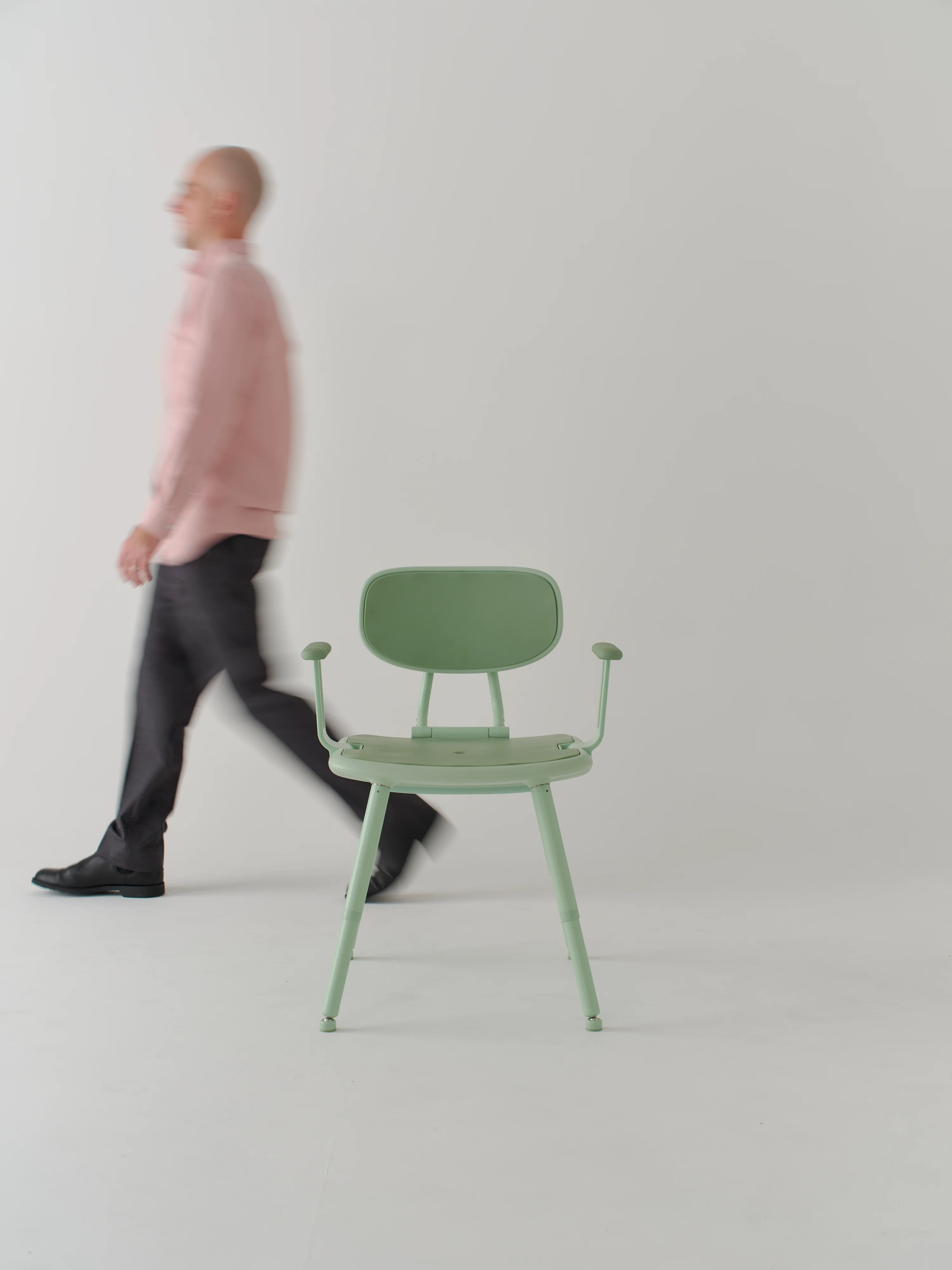
How Lived Experience Shaped the Oasis Chair Design
When we talk about assistive technology, the conversation often revolves around function. Does it work? Is it safe? Does it meet the clinical requirements? These are vital questions, but at Ennova, we believe they are just the starting point.
For us, great design should do more than support your body. It should support your confidence, your independence, and the way you feel in your own home. That belief sits at the heart of everything we create, including our modern shower chair.
The missing piece in so many products on the market is the human element, the sense of identity, style, and dignity that comes with choosing items for your home. Too often, assistive products prioritise function while overlooking how they make people feel.
So instead of guessing what people needed, we asked. And instead of following the traditional path of clinical-looking equipment, we decided to do things differently.
This is the story of how the Oasis Chair came to be, a co-designed shower chair shaped by lived experience, not boardroom assumptions. As an occupational therapist designed product, it reflects what happens when real voices lead the design process.
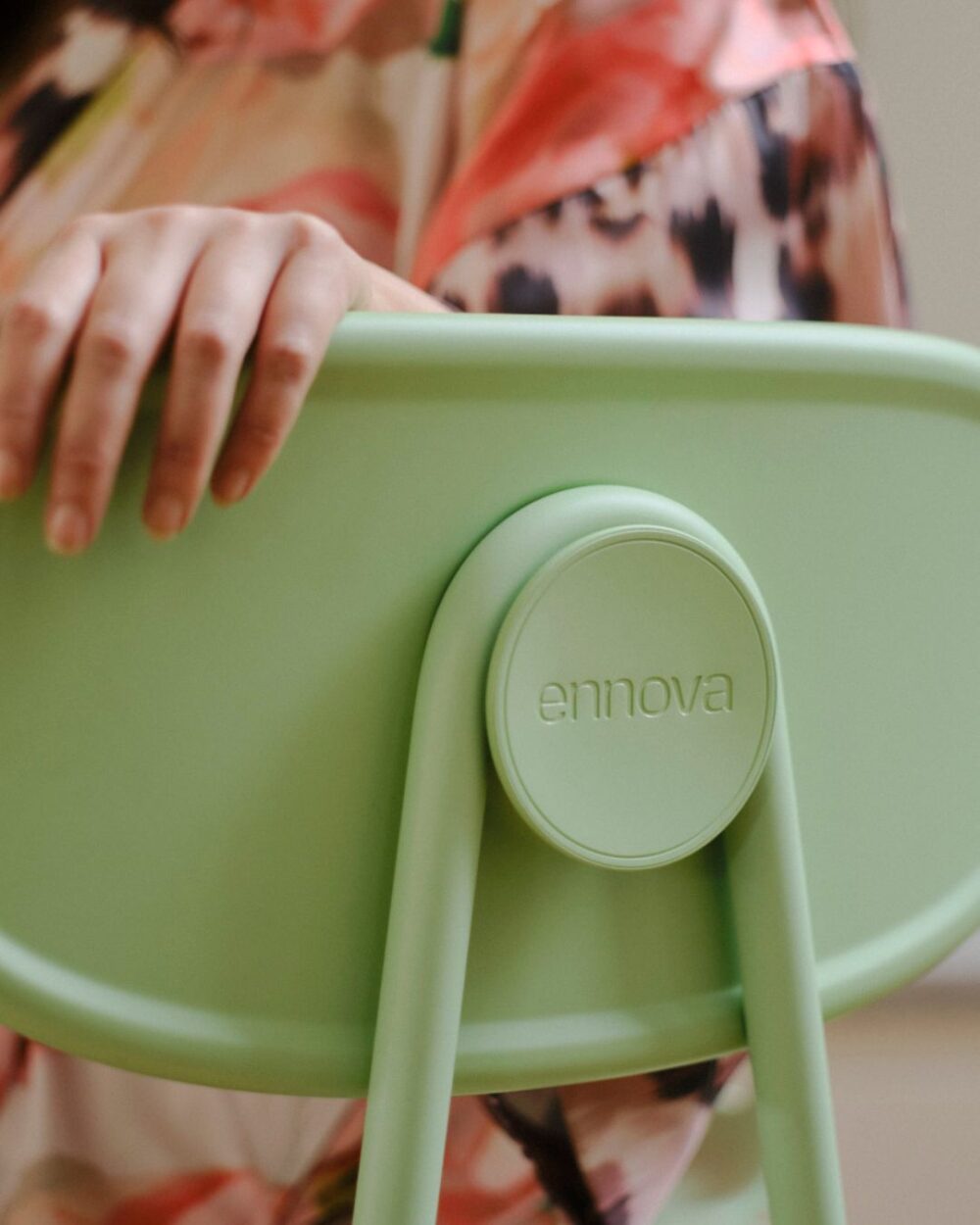
It Started With a Conversation
The seeds for the Oasis Chair were sown long before the first sketch was drawn. Our co-founder, Samuel, is an Occupational Therapist who has spent years working directly within the community.
Over his career, Samuel has prescribed hundreds of shower chairs. That means countless conversations with people in their own homes, listening to their lived experiences and understanding how assistive technology fits into everyday life.
Through these discussions, a clear and frustrating pattern emerged.
While many existing chairs technically “worked,” they often failed emotionally. People told us they felt defined by their disability rather than supported as individuals. The equipment was cold, clinical, and clunky, something to be hidden away when guests came over.
We understand that true accessibility is not just about physical access. It is about emotional access too. It is about creating designs that recognise people living with disability as people first, not patients.
Designing a Co-Designed Shower Chair With You
To create something genuinely different, we knew we could not design in isolation. We had to design with our community. This is the heart of co-design.
Throughout the concept, engineering, and prototyping phases of the Oasis Chair, we held multiple feedback and design direction sessions. We invited people with lived experience to sit on prototypes, challenge assumptions, and give honest feedback, even when it meant going back to the drawing board.
That feedback directly shaped the final design. Here are just a few ways lived experience influenced the Oasis Chair:
1. Lightening the Load
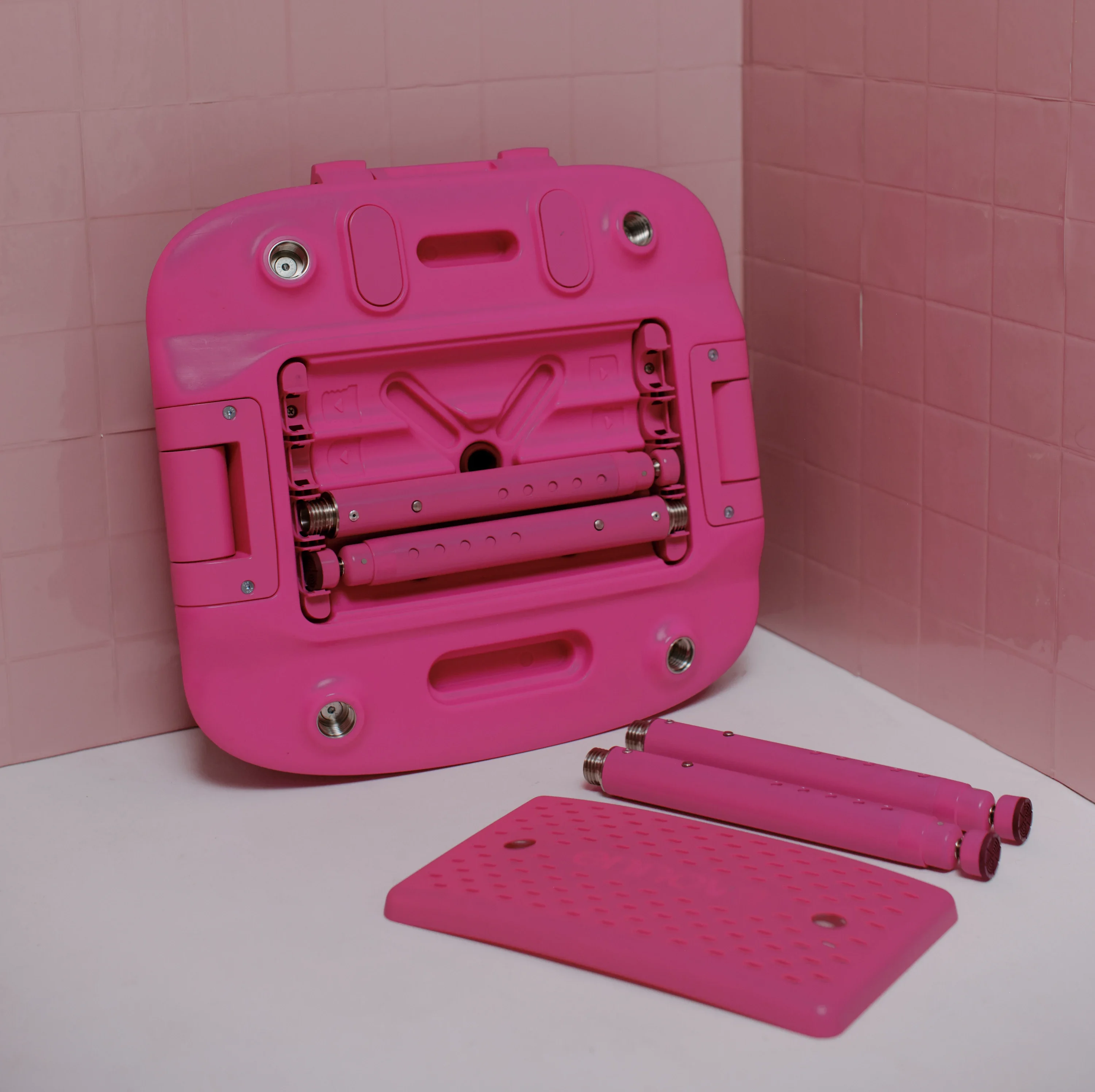
You told us existing chairs were too heavy and difficult to move, particularly for people with fatigue or reduced strength. We focused on reducing overall weight without compromising strength, making the chair easier to handle day to day.
2. Room to Move
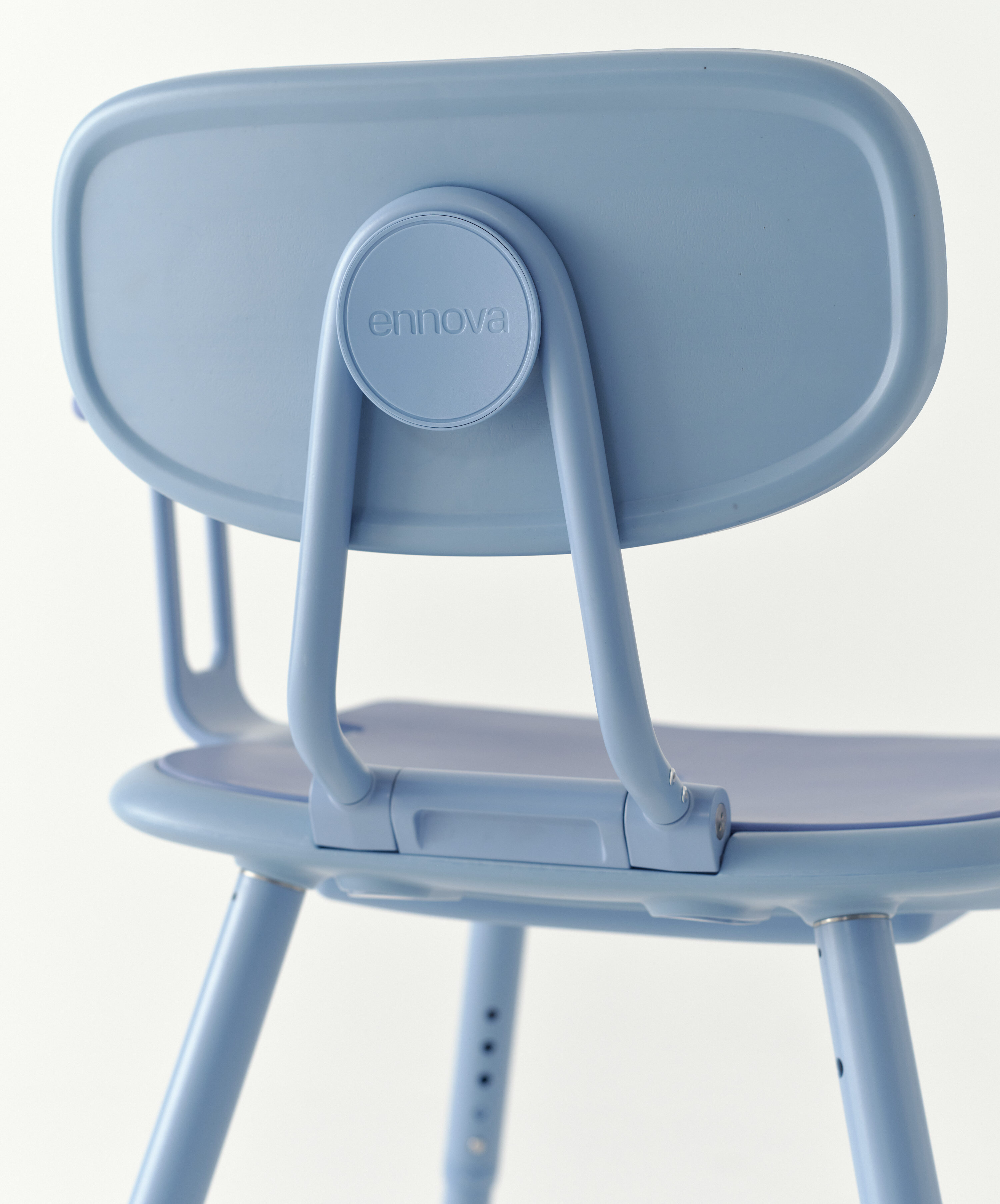
Comfort mattered. A lot. We introduced a soft, supportive silicone seat pad that is fully removable for easy cleaning, and refined the dimensions to create a more open, non-restrictive feel so your shower feels relaxing, not confining.
3. Accessibility in the Details
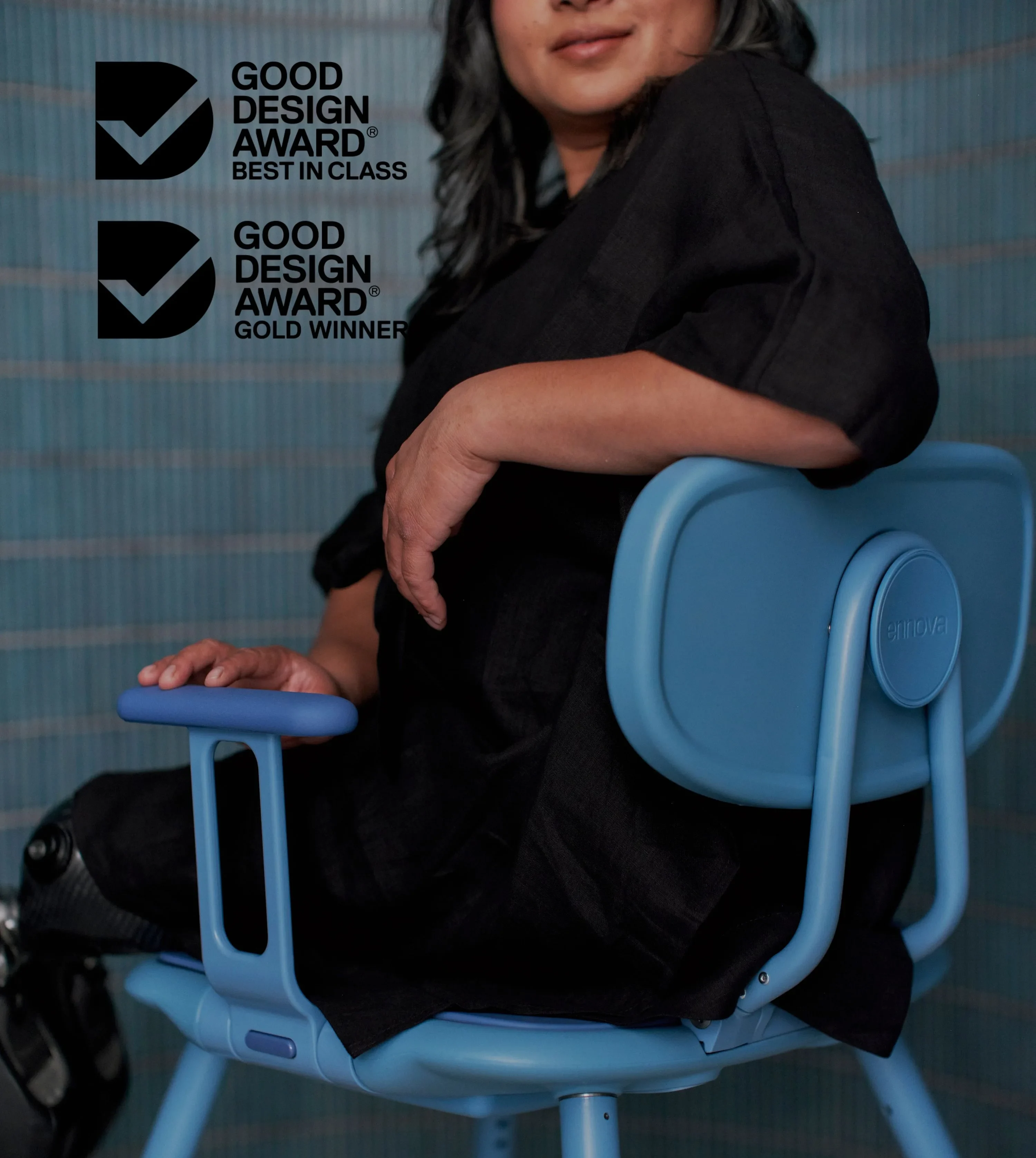
Small details can make a big difference. You told us that fiddly buttons were frustrating, so we increased the size of the leg height adjustment buttons to make them easier to use.
4. Strength and Stability
Inclusivity means designing for more bodies, not fewer. We increased the strength and stability of the frame to achieve a higher weight rating, ensuring the chair supports more people safely and confidently.
5. Banishing the “Clinical” Look
Perhaps most importantly, you told us you wanted something you could feel proud of. We continually checked in with our community on aesthetics, resulting in a modern silhouette and pop-out colours that feel more like furniture than medical equipment.
The Journey Isn’t Over. Join Us
Co-design is not a box we tick. It is an ongoing commitment. While we are proud of where the Oasis Chair is today, we know there is always more to learn.
In the coming months, we will be running further user trials to see how the Oasis Chair fits into real homes, real bathrooms, and real routines. Your feedback will continue to shape what comes next.
If you are passionate about thoughtful design and want to help shape the future of assistive technology, we would love to hear from you.
By registering your interest, you will have the opportunity to take part in upcoming user testing, receive early release updates, and see behind the scenes as we continue to grow.
Together, let’s keep de-stigmatising disability and design a world where everyone can live with dignity, independence, and a little bit of style.
With care,
Eilish and Sam
Co-founders, Ennova
Stay in the loop
Have a head start setting up your home’s supportive side. Sign up for updates and early access to the Oasis shower chair.
Sign Up
"*" indicates required fields